Contents:
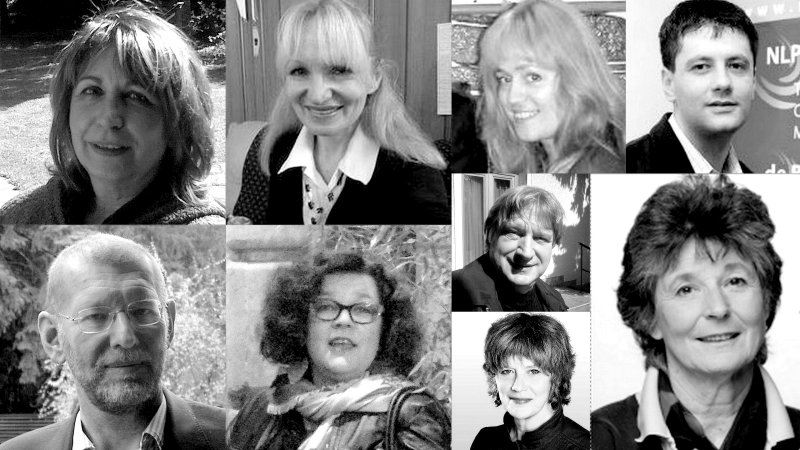
About Us - Who are we ?
We are the European wide accrediting organisation (EWAO) for NLPt within the European Association for Psychotherapy (EAP).
Experienced NLP psychotherapists can get the ECP via the metacurriculum through our grandparenting criteria.
History
The word Neuro-Linguistic Psychotherapy (NLPt) came frome of a discussion between Dr. Helmut Jelem, Wolfgang Karber † and Mag. Peter Schutz. They were searching for a word that would correctly represent, what the Austrian Training Center for NLP, had been doing since its beginning. The ATC had a 4 year Curriculum for Psychotherapy already 1986, the first research was started in 1993 and presented under Effects of NLPt at the World Congress for Psychotherapy in Vienna, 1996, by Mag. Martina Genser-Medlitsch.
The mission of the EANLPt:
Promote the psychotherapeutic application of NLP (Neuro-Linguistic Psychotherapy NLPt) in Europe as an accredited and recognized method of
psychotherapy. Support high quality training standards for NLPt and represent the method in the European Government bodies and within the
EAP. We also support the formation of a worldwide platform for neurolinguistic psychotherapy with highly respected standards and procedures. Since 3rd July EANLPt is an accepted psychotherapeutic modality organization (EWAO) within the European Association for Psychotherapy (EAP).
NLPt is a government recognized psychotherapy method, in Italy since 2005, in Austria since 2007.
EAP EAPTI s exist in France and Belgium, more to come.
.jpg?ver=2016-05-29-234412-353)
The history of EANLPt:
We were founded 1995 in Vienna, where a NLP Psychotherapy curriculum has existed since 1986.
Our country members:
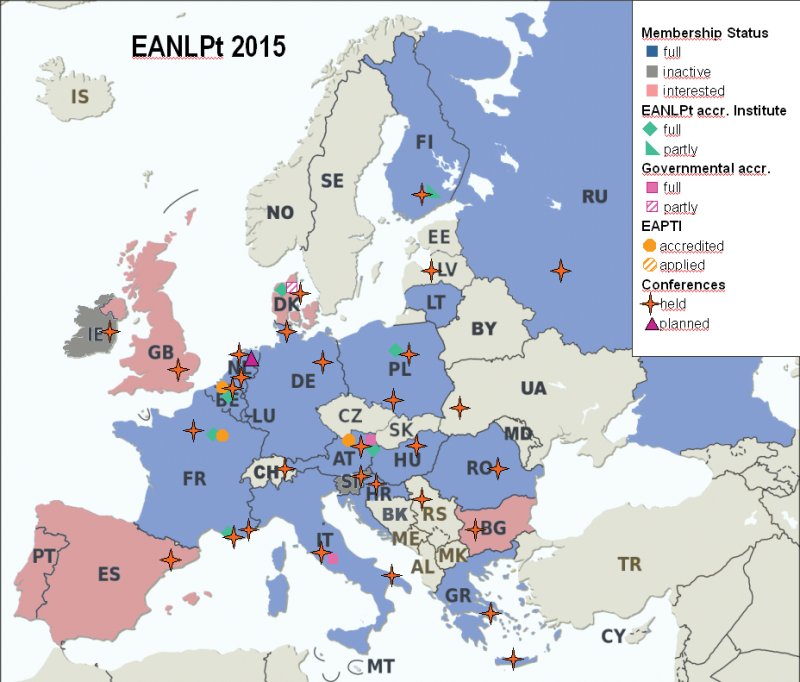
We currently have talks with individuals and groups who are NLP therapy specialists and supporting the process of building up a local NLPt-organization from the following countries.
Please contact them:
Quebec-Canada: Quebec Association PtNLP, Joanne Riou, cqpnl@sympatico.ca
Bulgaria / Czech Republic / Spain / Portugal / Malta:
We are searching for NLP / NLPt therapists. Please send us an email.
We are searching for NLP / NLPt therapists. Please send us an email.
| National organizations or working groups for NLPt: |
Email: |
| 01. DVNLPt, Fachgruppe für Psychotherapie im DVNLP (Germany) |
dvnlp@dvnlp.de, haberzettl@haberzettl-schinwald.com |
| 02a. Fédération NLPNL (France) |
federation@nlpln.eu
michelle.vinot@saena.fr
anne-bri.lubrez@neuf.fr
doutriaux.france@wanadoo.fr |
| 02b. Fédération Français pour la Psycho-Thérapie Neuo-Linguistique (FFPtNL, France) |
catherinetamisier@orange.fr |
| 03. Schweizer Arbeitsgemeinschaft für NLPt |
aw@quicknet.ch,cmarchan@worldcom.ch |
| 04. Österreichische Gesellschaft für NLPt (ÖG-NLPt)(Austria) |
info@nlpt.at |
| 05. Istituto Di Comunicazione Olistica Sociale (Italy), Nicola Menicacci |
info@ikosageform.it,nicolamenicacci@nicolamenicacci.com, Andrea@frausin.it |
| 06. Finnish Association for NLP, Section for NLPt (Finland) |
Riitta.Malkamaki@sano.fi |
| 07. Irish NLP Association, NLPt working group |
info@reekus.com |
| 08. Magyar NLPt Association (Hungary) |
drgybiro@t-online.hu |
| 09. Polish NLPt Association (Poland) |
biuro@econlp.eu |
| 10. Croatian Association for NLPt( Croatia) |
info@nlpt.hr |
| 11. Ressources School of NLP/Association (Belgium) |
mail@ressources.be |
| 12. Latvia NLPt Association (Latvia) |
hellenium@inbox.lv |
13. Neuro Linguistic Psychotherapy Greece (NlTh Greece)
|
a.efthimiadou@nlpgreece.gr |
| 14. Ukrainian Association for NLPt (Ukraina) |
Inna_lviv@mail.ru |
| 15. Slovenian working group for NLPt (Slowenia) (prov) |
marija.hafner@alphacenter.si,tatjana@humancc.org |
|
|
| 17. Serbian working group |
acimovic@open.telekom.rs |
| 18. Asociatia NLP Professional Romania |
contact@anlpp.ro |
| 19. Bulgarian working group NLPt, Christo Georgiev |
cgeorgiev@spnet.net |
| 20. Nederlandse Vereniging voor NeuroLinguïstische Psychotherapie (NVNLPt) |
JRademaker@academie-psychotherapie.nl |
| 21. Dansk NLP Psykoterapeut Forening |
anni@annisimonsen.dk, skrivtil@dnlppf.dk |
| 22. Georgian Association of Neuro-Linguistic Psychotherapy and Neuro-Linguistic Programming (GANLPt.NLP) |
ganlpt.nlp.1@gmail.com |
(Re-)Accredited institutes:
How are we organized ?
The working level of the EANLPt is currently the Chairmens office, the executive committee and the country board (representing two delegates per country). Every three years there is a General assembly.
These are our statutes.
Current EANLPt structure:
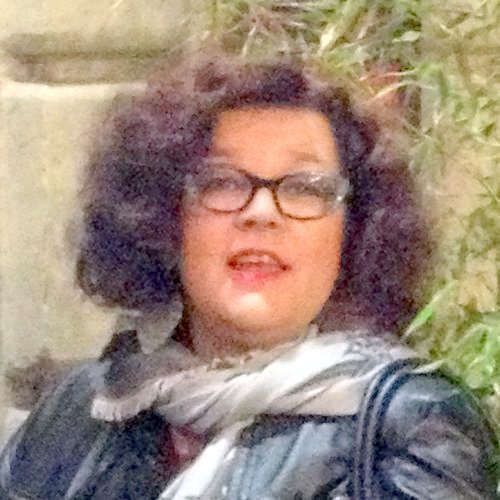 |
President
Riitta Malkamäki
(Finland) |
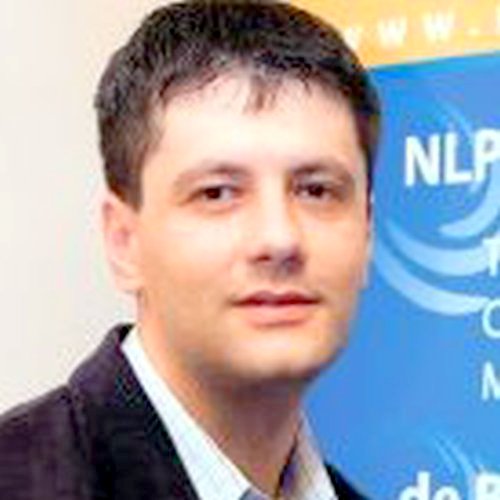 |
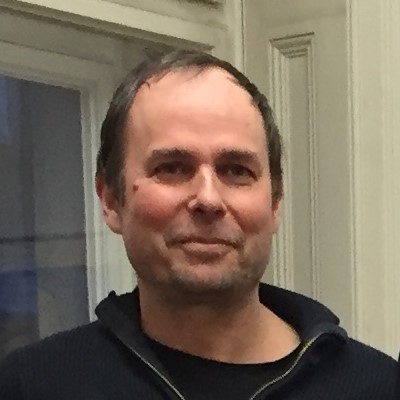
Secretary General
Dr. Catalin Zaharia, PhD, ECP
(Romania) |
 |
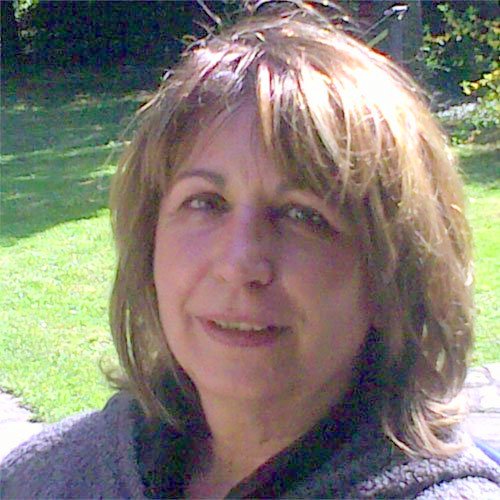
EANLPt Secretary General Deputy
Dr. Peter Machowetz-Müllner
(Austria) |
 |
EANLPt Vice President
Catherine Tamisier ECP
(France) |
 |
EANLPt Vice President
Alexandra Eftimiadou, PhD
(Greece) |
| |
EANLPt Auditor
Anca Petrescu
(Romania) |
| |
EANLPt Auditor
Anna Wasiak, PhD
(Poland) |
| |
|
Honorary Member
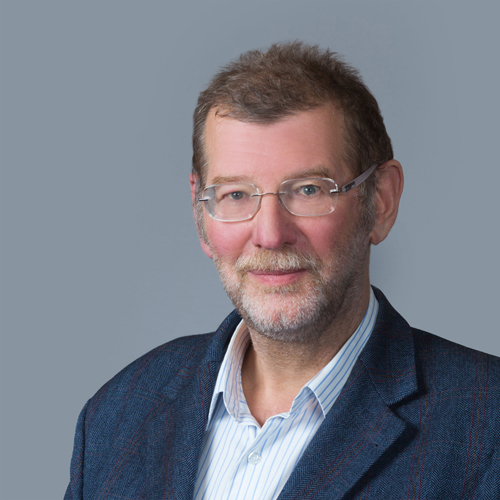 |
Peter Schutz, PhD, EC
(Austria) |
Professional Committee:
Riitta Malkamäki (Finland), Peter Schutz (Austria), Catherine Tamisier (France), Catalin Zaharia (Romania), Benedykt Peczko (Poland), Peter Machowetz-Müllner (Austria)
Ethics Committee:
Anca Petrescu (Romania), Drazenka Milinkovic (Croatia), Joanna Buda (Poland), Catherine Tamisier (France), Alexandra Eftimiadou (Greece)
Metastructure of training curriculums for Neurolinguistic Psychotherapy (NLPt)
Based on the NLPt traditions in Europe since 1986 and the standards of EAP, an EA-NLPt recognized curriculum has to fulfill the following criteria:
Prerequisite for NLP therapy training:
The actual 4-5 year curriculum has to be structured as follows:
1st year: a good NLP Practitioner training group with emphasis on counselling/therapy >250 hours. ( at least 6 modules of at least 3 days, stretched over at least 10 months)
2nd year: Master Practitioner training group with emphasis on counselling/therapy >250 hours.( at least 6 modules of at least 3 days, stretched over at least 10 months)
First and second year together should contain of at least 250 hours self experience, at least 100 hours methodology and at least 50 hours theory and 100 hours of supervision
In addition, > 150 hours of documented peergroup meetings for practical peer work, in depth literature study (theory) and discussion should be performed within the first and second year.
3rd and 4th year: training groups > 500 hours should contain:
In addition, at least 100 hours of documented peergroup meetings for practical peer work, in depth literature study (theory)and intervision should be performed.